

Florida Condo Safety Inspection Law Guide
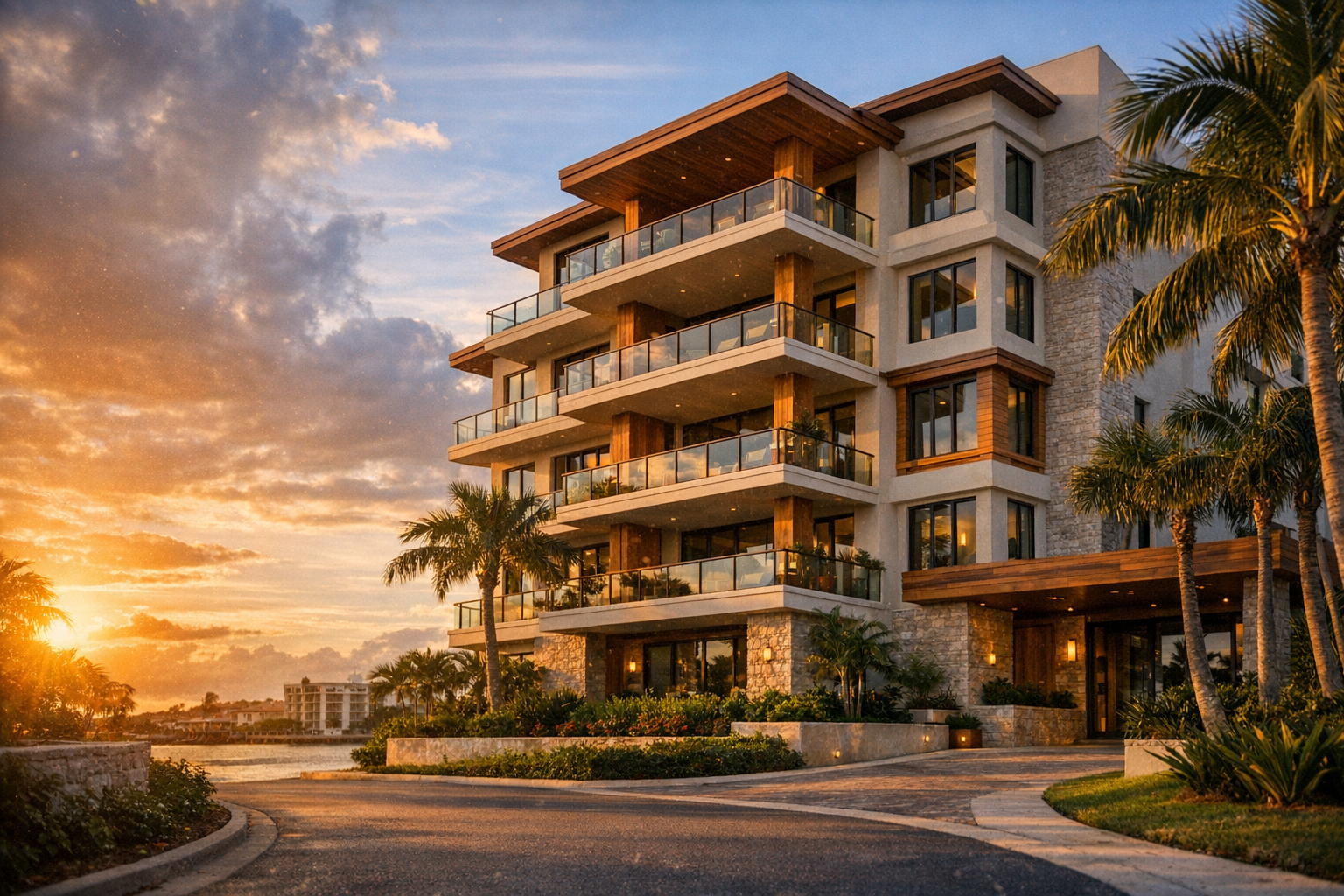
Boca Raton offers some of the most desirable condominium living options in the United States. From high-rise buildings overlooking the Atlantic Ocean to comfortable communities nestled near Mizner Park, the options are plentiful. However, purchasing a condo here requires a thorough understanding of the regulations that govern building maintenance and financial health. The most significant shift in recent years involves the Florida condo safety inspection law.
This legislation changed how condominium associations manage their buildings. It places a heavy emphasis on structural integrity and long-term financial planning. If you are looking to buy a condo in Boca Raton in 2026, you must understand these requirements. Ignorance of these laws can lead to unexpected assessments or purchasing a unit in a building facing significant repairs. This guide breaks down exactly what you need to know about Milestone Inspections and Structural Integrity Reserve Studies.
Understanding The New Condo Safety Regulations
The regulatory environment for Florida condominiums changed drastically following the passage of Senate Bill 4-D and subsequent updates. These laws were created to ensure that aging infrastructure is identified and repaired before it becomes a hazard. For buyers in Boca Raton, this provides a layer of transparency that did not exist previously. It allows you to make informed decisions based on the actual physical condition of the building rather than just its cosmetic appearance.

The legislation focuses on two main components. The first is the Milestone Inspection, which assesses the structural condition of the building. The second is the Structural Integrity Reserve Study (SIRS), which ensures the association has enough money to pay for necessary repairs. These two elements work together to protect owners from physical danger and financial ruin due to deferred maintenance.
The Milestone Inspection Requirements
A Milestone Inspection is a mandatory structural inspection of a building’s primary load-bearing walls and other primary structural members. This requirement applies to condominium and cooperative associations with buildings that are three stories or higher. The timeline for these inspections depends on the age of the building and its location.
Under the Florida condo safety inspection law, buildings must undergo a Milestone Inspection once they reach 30 years of age. They must then repeat the process every 10 years. However, there is a crucial exception that affects many properties in Boca Raton. If a building is located within three miles of the coastline, it must undergo this inspection when it reaches 25 years of age. Given the geography of Boca Raton, a significant number of sought-after buildings fall into this coastal category.
Phase One And Phase Two Explained
The inspection process is divided into two distinct phases. Understanding the difference is vital when you are reviewing condo documents during your due diligence period.
Phase One is a visual inspection performed by a licensed architect or engineer. The goal is to perform a qualitative assessment of the structural conditions of the building. The inspector looks for signs of substantial structural deterioration. If they find no signs of significant issues, the inspection ends here. The professional submits a report to the local building official and the association.
Phase Two becomes necessary if the Phase One inspection reveals signs of substantial structural deterioration. This phase is more intrusive and may involve destructive testing. This implies the inspector might need to chip away concrete or remove drywall to see the underlying structure. The purpose is to confirm the structural integrity of the building and determine the extent of any necessary repairs. We always advise clients to pay close attention to whether a building has passed Phase One or if it has moved to Phase Two. A building in Phase Two is not necessarily a bad investment, but it does require closer scrutiny regarding the scope of work required.
Structural Integrity Reserve Studies
While the Milestone Inspection looks at the physical state of the building, the Structural Integrity Reserve Study (SIRS) looks at the checkbook. The Florida condo safety inspection law mandates that associations must complete a study of the reserve funds required for future major repairs and replacement of the common areas.
Previously, many condo associations voted to waive or partially fund their reserves to keep monthly maintenance fees low. That is no longer an option for structural components. The law requires associations to maintain fully funded reserves for specific items. These items include:
• Roofs
• Load-bearing walls or other primary structural members
• Floors
• Foundations
• Fireproofing and fire protection systems
• Plumbing
• Electrical systems
• Waterproofing and exterior painting
• Windows
In our experience reviewing these studies for clients, we have seen that many older buildings had to increase their monthly association dues significantly to meet these requirements. As a buyer, you must review the SIRS report to understand if the current dues are sufficient or if a large increase is on the horizon.
How This Impacts Boca Raton Real Estate
Boca Raton has a mix of new construction and established buildings from the 1970s and 1980s. The Florida condo safety inspection law affects these older buildings most directly. When you view a listing for a condo built in 1985 along A1A, you know immediately that it falls under the 25-year coastal requirement.
We recently helped clients who were interested in a beautiful unit in East Boca. The building was undergoing its 40-year recertification under the old rules but had to pivot to meet the new Milestone Inspection standards. By requesting the engineering reports, we were able to show the buyers that the building had recently completed significant concrete restoration. This gave them peace of mind that the heavy lifting (and spending) was already done. Conversely, we have seen listings where the association has not yet begun the necessary work, presenting a financial risk to a new owner.
What Buyers Must Ask Before Making An Offer
When you find a condo you love, you must ask specific questions before signing a contract. A standard disclosure is not enough. You need to dig into the details of the association’s compliance with the Florida condo safety inspection law.
Has the Milestone Inspection been completed? If the building is of age, this report should be available. If it is not done, ask when it is scheduled. If the report is complete, ask to see the summary of findings. You are looking for any mention of “substantial structural deterioration.”
What is the status of the reserves? Ask for the most recent budget and the Structural Integrity Reserve Study. You need to verify that the association is on track to fully fund the required reserves by the deadline. If they are behind, you could be facing a special assessment shortly after closing.
Are there any special assessments planned? Sometimes the board has discussed an assessment that has not yet been approved. Reviewing the meeting minutes from the past 12 months is a crucial step. This often reveals discussions about upcoming projects that do not appear on the current budget.
Financial Implications For Condo Owners
The goal of these laws is safety, but the result is often higher costs. Associations that deferred maintenance for decades are now playing catch-up. This results in two financial hits for owners: higher monthly dues to fund reserves and special assessments to pay for immediate repairs identified in the Milestone Inspection.
We guided a seller last year who had to list their unit because a special assessment for roof replacement and concrete work made the monthly costs untenable for their budget. For the buyer, however, this was an opportunity. They purchased the unit at a fair price, knowing the assessment was paid at closing, and moved into a building with a brand-new roof and structurally sound balconies.
It is vital to view these costs objectively. A building with higher dues but fully funded reserves is often a safer investment than a building with low dues and zero reserves. The latter is a ticking time bomb for a massive assessment. When we evaluate properties, we look at the “total cost of ownership,” which includes dues, taxes, and potential future assessments.
The Role Of A Professional Real Estate Partner
Buying a condo in today’s regulatory environment is more complex than it was five years ago. You need a partner who understands the nuances of the Florida condo safety inspection law and how to read technical documents.
As a licensed real estate business operating in Boca Raton, we have made it our priority to stay ahead of these legislative changes. We hold verified credentials in Florida real estate and continuously educate our team on the latest statutes affecting condo associations. We do not just open doors; we help you verify the health of the asset you are buying.
We believe in complete transparency. We will tell you if a building’s financials look risky or if an engineering report raises red flags. Our goal is to ensure you enjoy your Boca Raton home without the stress of unexpected structural or financial surprises.
Next Steps For Buyers
If you are ready to explore the condo market in Boca Raton, start by prioritizing information. Do not fall in love with a view until you understand the building’s condition.
- Verify the Age: Check if the building is approaching the 25 or 30-year mark.
- Request Documents: Ask for the Milestone Inspection Report and the SIRS.
- Check the Budget: Look for the line items regarding fully funded reserves.
The Florida condo safety inspection law has made condo buying safer, but it requires more homework. If you need assistance interpreting these documents or finding buildings that are fully compliant and financially sound, we are here to help.
Contact our Boca Raton office today to discuss your real estate goals and let us help you find a secure investment in our beautiful coastal area.