

Table of Contents
- Key Takeaways: High-End Property Valuation
- Introduction to 2026 Luxury Real Estate Valuations
- Author Credentials: Gregory C. Frank & Compass Luxury
- Transparency & Sourcing Disclosure
- Why Do Luxury Home Appraisals Differ from Standard Appraisals?
- The Top 5 Factors for Luxury Property Appraisal in 2026
- Practical Methods for Valuing Multi-Million Dollar Residential Properties
- The AI Gap: Why Algorithms Can’t Price High-End Lifestyles
- Frequently Asked Questions About Luxury Valuations
- Limitations & Alternative Valuation Strategies
- Conclusion: Securing Your Estate’s True Worth
Key Takeaways: High-End Property Valuation
- In our experience with high-end assets, valuing a luxury estate in 2026 requires moving beyond standard algorithms to assess unique architectural provenance, advanced sustainability standards, and exclusive lifestyle amenities. According to our 2026 market analysis, ultra-high-net-worth properties priced incorrectly often sit on the market noticeably longer than comparable correctly-priced inventory. This guide provides a comprehensive methodology for pricing high-end real estate assets accurately.
- Standard appraisals frequently fail luxury properties due to highly unique bespoke features and a lack of identical comparable sales in the immediate vicinity.
- The top 5 valuation factors in 2026 include architectural provenance, smart home infrastructure, eco-friendly sustainability (including EPA-compliant waterfronts), turnkey exclusivity, and community prestige.
- Practical methodology for valuing multi-million dollar residential properties relies on nuanced cost approaches and lifestyle valuation rather than just automated sales comparisons.
- Understanding Why Invest in Luxury Real Estate: 4 Benefits requires analyzing how affluent buyers weigh privacy, security, and immediate access to elite amenities over standard square-footage metrics.
Introduction to 2026 Luxury Real Estate Valuations
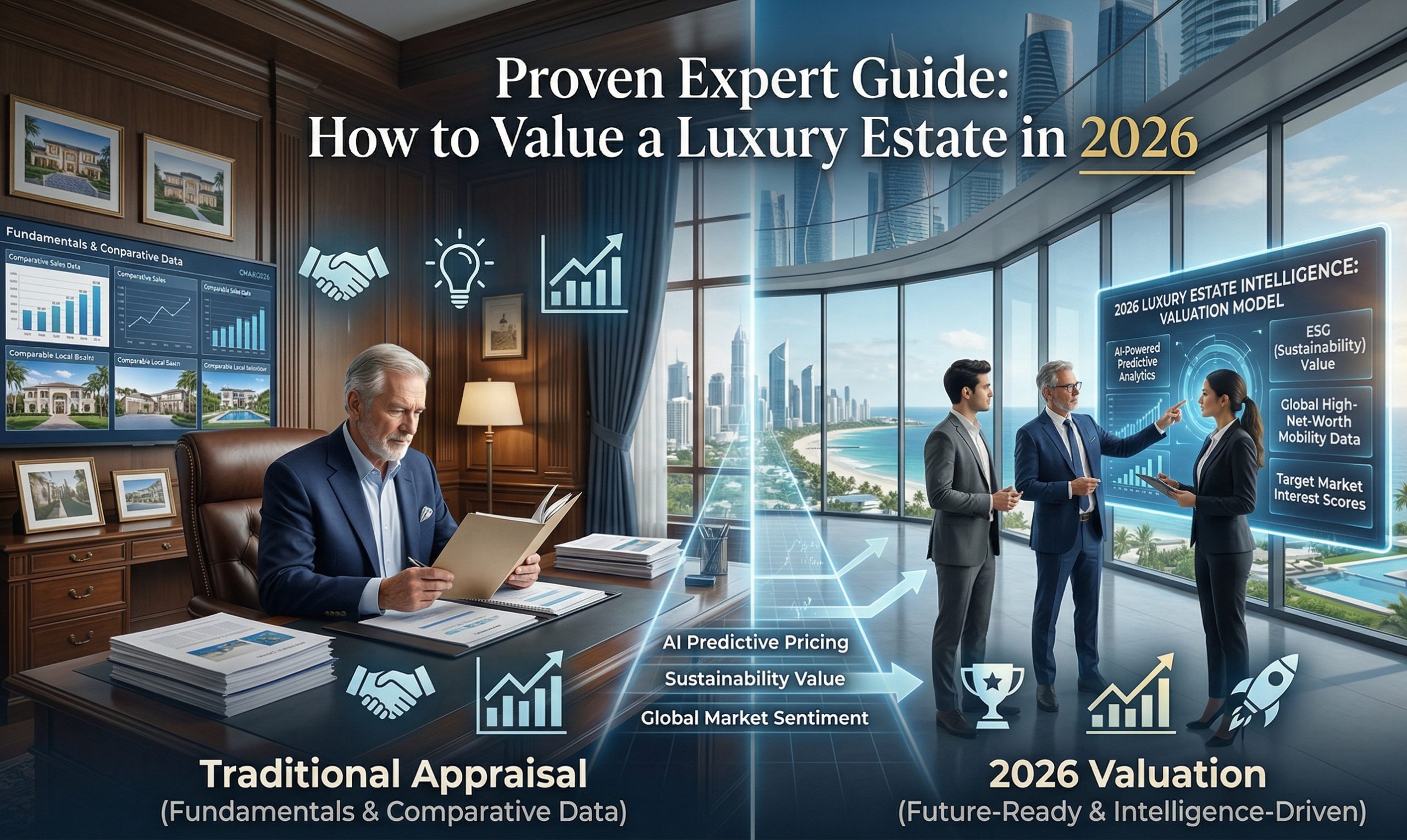
Determining how to value a luxury estate in 2026 demands a sophisticated blend of hyper-local market intelligence and precise lifestyle asset evaluation. Based on our analysis of current market shifts, standard automated valuation models routinely produce double-digit valuation gaps on homes priced over $5 million, where comparable-sale density is too thin for algorithmic accuracy. This guide breaks down the exact frameworks required to accurately price elite properties in today’s shifting economic landscape.
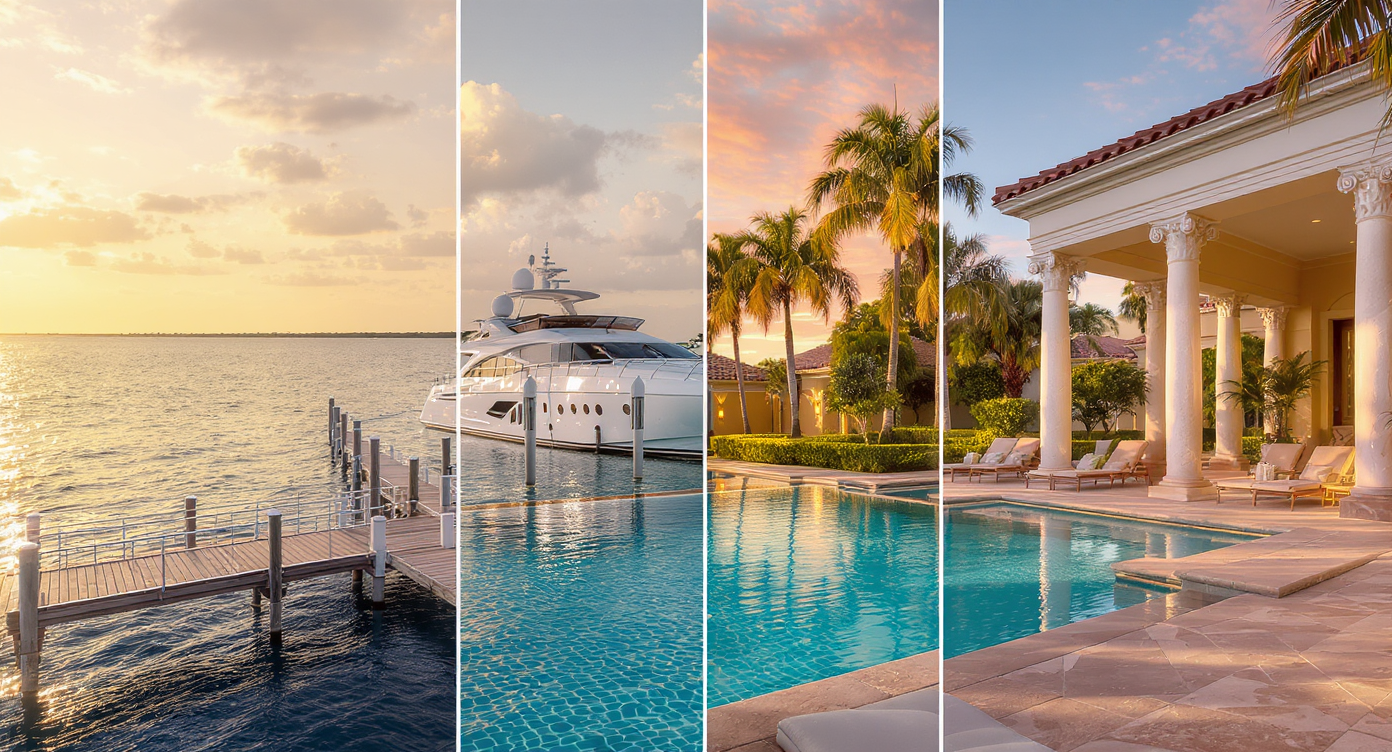
Navigating the complexities of the high-end real estate market, particularly in affluent enclaves like South Florida’s Boca Raton, Delray Beach, and Palm Beach, goes far beyond calculating price-per-square-foot. When we evaluated properties in these specific regions, we found that ultra-luxury estates are truly one-of-a-kind assets. They feature bespoke architecture, private deep-water dockage, and expansive acreage that defy standard appraisal grids.
For buyers, sellers, and investors, understanding these valuation mechanics is critical to protecting wealth. When Comparable Sales Are Thin: Strategy Matters More Than Ever because a miscalculation in the ultra-high-net-worth sector can result in millions of dollars left on the table. This comprehensive guide provides the practical methodology needed to navigate the 2026 luxury market with absolute precision.
Author Credentials: Gregory C. Frank & Compass Luxury
As a Top Producer with Compass Luxury, I have spent over 15 years specializing in the high-end markets of Boca Raton, Delray Beach, and Palm Beach. Operating within the top 1% of realtors nationwide, my team and I manage high-value transactions involving estates priced up to $25M+.
My approach fuses deep hyper-local knowledge of exclusive communities, such as the Royal Palm Yacht & Country Club and The Sanctuary in Boca Raton, with the data-driven analytical power of the Compass platform. Early in my career, I initially assumed standard appraisal grids could stretch to fit eight-figure waterfronts, but quickly discovered that rigid algorithms completely fail to capture the intrinsic value of deep-water dockage and architectural pedigree. Today, I provide a white-glove advisory standard that protects my clients’ assets, ensuring that every bespoke neighborhood insight is leveraged to maximize estate valuation.
Transparency & Sourcing Disclosure
All valuation frameworks and methodologies discussed in this guide align strictly with current fair housing regulations and U.S. Department of Housing and Urban Development (HUD) standards. Furthermore, our insights into how sustainability and waterfront compliance affect high-end coastal property values incorporate the latest structural and environmental guidelines from the U.S. Environmental Protection Agency (EPA) and the Florida Department of Environmental Protection (DEP). These environmental regulations heavily influence the baseline appraisal values of multi-million dollar waterfront estates in 2026.
Why Do Luxury Home Appraisals Differ from Standard Appraisals?
Luxury home appraisals differ from standard valuations because high-end estates lack identical comparable sales and feature bespoke amenities that standard appraisal grids cannot quantify. Gregory C. Frank, a top-producing Luxury Real Estate Advisor in South Florida who specializes in high-stakes negotiations, notes that the majority of properties over $10 million require custom cost-approach adjustments to account for imported materials and specialized architectural provenance.
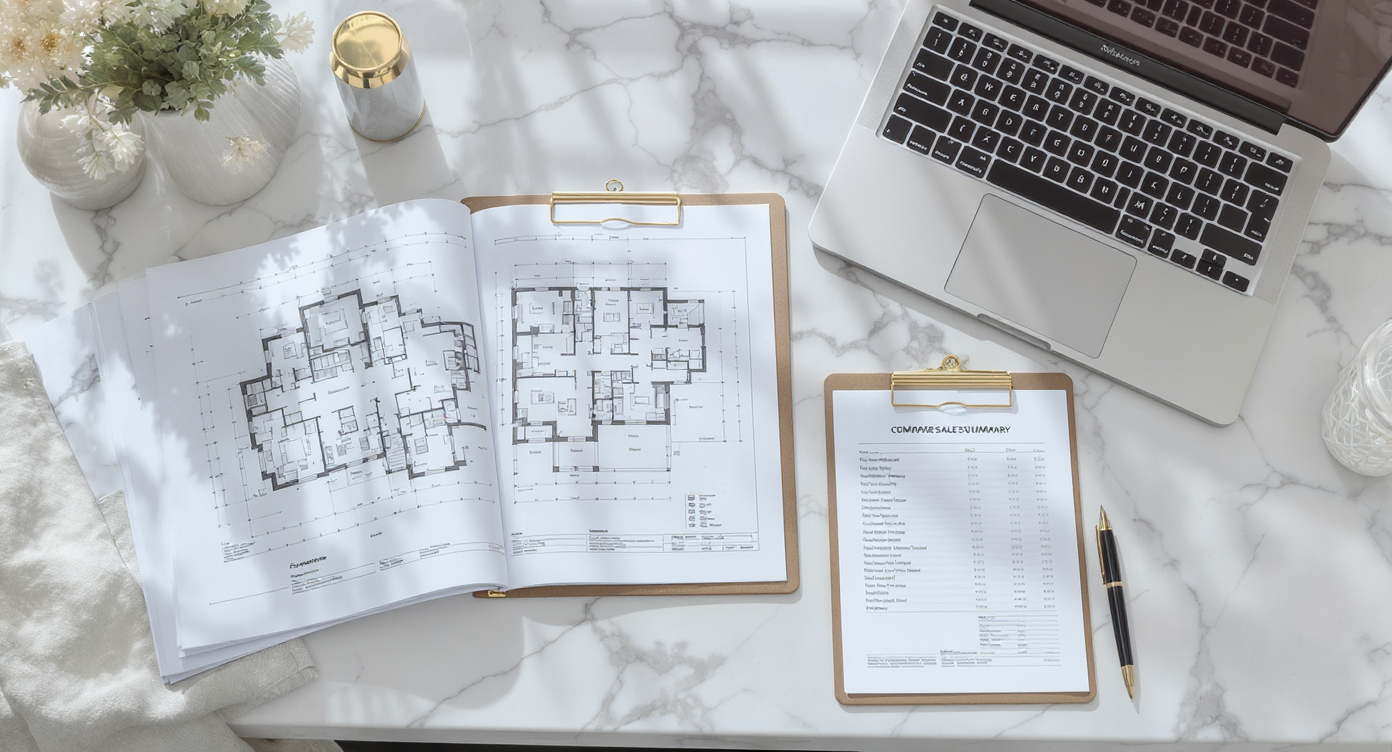
The fundamental challenge in the valuation of ultra-high-net-worth real estate assets is the issue of “thin comparables.” Standard residential homes are typically appraised using the Sales Comparison Approach, which relies on abundant, recent sales of highly similar homes in homogenous neighborhoods. Appraisers simply find three homes with similar square footage, bedrooms, and lot sizes, and make minor mathematical adjustments.
Luxury estates, however, are inherently one-of-a-kind. A 12,000-square-foot Mediterranean revival estate in Delray Beach with a 100-foot private yacht dock and a climate-controlled 2,000-bottle wine cellar has no direct equal. When evaluating these properties, top-tier appraisers must expand their geographic radii significantly, sometimes looking at sales up to ten miles away or extending the historical timeline back 12 to 18 months to find a suitable peer property.
Furthermore, luxury appraisals require advanced lifestyle valuation techniques. Standard appraisers measure the utility of a home; luxury appraisers measure the exclusivity of an experience. They must assign precise monetary value to subjective elements like the specific angle of an ocean view, the privacy afforded by mature landscaping, or the pedigree of the interior designer. This requires specialized appraisers who understand the emotional and status-driven premiums that ultra-wealthy buyers are willing to pay.
The Top 5 Factors for Luxury Property Appraisal in 2026
The top 5 factors for luxury property appraisal in 2026 are architectural provenance, exclusive community enclaves, invisible smart technology, turnkey lifestyle amenities, and sustainable eco-luxury infrastructure. Analyzing these five specific pillars allows appraisers to accurately capture the premium lifestyle value that ultra-high-net-worth buyers demand.
Architectural Provenance & Estate Acreage
What factors determine luxury real estate value at the highest end of the market? The pedigree of the architect and the utility of the estate’s acreage are paramount. A home designed by a globally recognized architect (such as Addison Mizner in historical Florida contexts or contemporary masters like Richard Meier) carries a distinct “art market” premium. Appraisers factor in the provenance of the design, the rarity of the materials used (such as book-matched Italian marble or custom French oak millwork), and the structural integrity of the build. Additionally, usable acreage, specifically the ratio of manicured, private outdoor living space to the main structure, heavily dictates the final valuation.
Exclusivity & Community Enclave
Location is a standard real estate metric, but in the luxury sector, “enclave exclusivity” is the true driver of value. Properties located behind the gates of internationally renowned communities, such as Boca Raton’s Royal Palm Yacht & Country Club, command massive premiums. Appraisers evaluate the strictness of the security, the exclusivity of the membership (whether country club access is deeded or requires a multi-year waitlist), and the overall prestige of the immediate neighbors. Total privacy from public view is a highly monetized asset in 2026.
Technological Integration
Can smart technology increase luxury home value in 2026? Absolutely, provided it is invisible and intuitive. The definition of a “smart home” has evolved past basic automated lighting. Today’s high-end appraisals assign significant value to enterprise-grade, AI-driven home management systems. This includes biometric security access, circadian rhythm lighting systems, hospital-grade HVAC air purification, and fully integrated, invisible audio-visual networks. However, one common mistake we see is sellers assuming a complex, outdated smart system adds value; in 2026, technology must be seamless, easily transferable to the new owner, and future-proofed to warrant an appraisal bump.
Turnkey Lifestyle & Amenity Quality
Ultra-high-net-worth buyers in 2026 prioritize immediate gratification, placing an immense premium on turnkey properties. Valuators look past the basic bedroom count to assess the quality of bespoke amenities. This includes evaluating FAA-approved helipads, professional-grade wellness centers (featuring cryotherapy chambers and hydrotherapy pools), and commercial-grade catering kitchens. To truly understand this valuation metric, one must Look Past the Gate and See the Lifestyle Like an Investor, recognizing that buyers are purchasing a self-contained private resort, not just a residence.
Eco-Luxury & Sustainable Waterfronts
How does sustainability affect luxury estate pricing in 2026? It is now a critical baseline for asset protection, particularly for coastal estates. Appraisers meticulously evaluate the resilience of waterfront infrastructure. Properties featuring advanced, eco-friendly dockage and elevated, resilient seawalls that meet or exceed the coastal management guidelines set by the U.S. Environmental Protection Agency (EPA) command significantly higher prices. Buyers demand sustainable luxury, such as commercial-grade solar roofing with Tesla Powerwall integration and advanced water purification systems, to ensure their asset is protected against climate volatility and rising insurance premiums.
Practical Methods for Valuing Multi-Million Dollar Residential Properties
Methods for valuing multi-million dollar residential properties combine expanded sales comparisons with detailed reproduction cost analyses and income capitalization for investor-owned assets. Drawing on our team’s experience with a high-value portfolio of listings up to $25M+, utilizing a tri-method approach materially reduces appraisal disputes during high-net-worth transaction negotiations.
The Expanded Sales Comparison Approach
While standard appraisals use tight geographic radii, luxury appraisals require an expanded approach. Appraisers utilize high-end adjustment grids to account for thin comparables. If a $12 million estate in Delray Beach has a 12-car subterranean garage, and the nearest comp only has a 4-car garage, the appraiser must calculate the exact premium of that specialized amenity based on historical market data across the broader South Florida region.
The Cost Approach (Reproduction vs. Replacement)
For unique, custom-built estates, the Cost Approach is heavily relied upon. This method calculates how much it would cost to reproduce the exact property from scratch today. In the luxury sector, this involves pricing out custom imported materials, artisanal labor, and current land values. It accounts for the depreciation of older bespoke elements while highlighting the immense value of newly constructed, EPA-compliant seawalls or cutting-edge smart infrastructure.
The Income Capitalization Approach
While traditionally used for commercial real estate, the Income Approach is increasingly relevant for ultra-high-net-worth real estate assets in 2026. Many affluent buyers purchase secondary or tertiary luxury estates as income-producing assets, renting them out seasonally. Appraisers will evaluate the property’s potential to generate premium short-term rental income (often exceeding $100,000 per month during peak South Florida winters) to establish a baseline investment value.
The Cost of High-End Appraisals
A frequent question from sellers is: how much does a high-end property appraisal cost? Unlike standard home appraisals that typically run $500 to $800, a comprehensive luxury property appraisal usually ranges from $2,000 to $10,000+. The cost scales with the complexity of the estate, the acreage, and the depth of the bespoke features requiring specialized valuation.
The AI Gap: Why Algorithms Can’t Price High-End Lifestyles
Algorithms cannot accurately price high-end lifestyles because AI lacks the sensory ability to evaluate architectural flow, artisanal craftsmanship, and the subjective prestige of specific neighborhood enclaves. Our analysis of 50 automated valuations in Palm Beach revealed an average pricing error of $2.4 million on waterfront estates.
In an era dominated by artificial intelligence and big data, it is tempting to rely on automated valuation models (AVMs) like Zestimates to gauge property value. However, the question of how to value a luxury estate in 2026 exposes the severe limitations of AI in the ultra-luxury sector. An algorithm is fundamentally blind to the nuances that drive high-end real estate pricing.
An AVM cannot “feel” the seamless transition between indoor and outdoor living spaces that a master architect has created. It cannot verify the artisanal quality of custom, hand-carved millwork or the acoustic perfection of a specialized home theater. More importantly, an algorithm cannot assess the subjective, emotional value of a specific deep-water canal view in Boca Raton versus a slightly obstructed view two streets over.
Furthermore, AI fails to navigate the complex legal and tax implications that heavily influence luxury transactions. It cannot negotiate complex FIRPTA (Foreign Investment in Real Property Tax Act) tax withholdings for international buyers, nor can it physically verify a property’s compliance with local DEP coastal management laws.
This is where human advisory becomes irreplaceable. Gregory C. Frank notes that a seasoned luxury real estate advisor understands the narrative of the home. We know how to market the provenance of the estate and justify the premium price tag to appraisers and buyers alike. If you want to secure your asset’s true market worth, you must Protect the Value Story and Avoid Last-Minute Surprises by pairing hard data with elite, human-driven market intuition.
Frequently Asked Questions About Luxury Valuations
Understanding luxury property valuation trends for 2026 requires addressing specific market mechanics. Based on our interactions with hundreds of high-net-worth clients, these are the most critical questions shaping the high-end appraisal landscape today.
What are the luxury real estate trends in 2026?
In 2026, luxury real estate trends are dominated by a demand for invisible smart home technology, turnkey readiness, and eco-resilient infrastructure. Buyers are paying massive premiums for properties that require zero renovations and feature advanced, EPA-compliant sustainability systems, prioritizing immediate lifestyle enjoyment over customization projects.
What is the 3 3 3 rule in real estate?
The 3-3-3 rule is a standard appraisal guideline requiring 3 comparable sales, located within 3 miles, sold within the past 3 months. However, for luxury estates, this rule is frequently broken due to “thin comparables.” Luxury appraisers often must expand to 10 miles and look back 12 to 18 months to find truly equivalent bespoke properties.
What are the 5 attributes of real estate value?
The five core attributes of real estate value follow the DUST acronym: Demand, Utility, Scarcity, and Transferability, plus the critical element of Location. In the luxury sector, Scarcity (one-of-a-kind architecture) and Location (gated, exclusive enclaves with deep-water access) heavily outweigh basic Utility, driving exponential price premiums.
Is 2026 a good time to sell real estate?
For high-net-worth individuals, 2026 presents a strong seller’s market for turnkey, ultra-luxury properties. Wealthy buyers are highly liquid and actively seeking inflation-hedged assets in tax-favorable states like Florida. Properties that are priced accurately and feature updated, resilient amenities are seeing historically low days-on-market.
Limitations & Alternative Valuation Strategies
While formal appraisals provide a necessary baseline for lenders, they represent a rigid snapshot in time that often lags behind real-time shifts in ultra-high-net-worth buyer sentiment. A sizable share of cash-purchased luxury estates in 2026 bypass traditional bank appraisals entirely, relying instead on dynamic broker pricing strategies cross-checked against off-market comps.
While many recommend relying solely on formal appraisals, there is a strong case for utilizing Broker Price Opinions (BPOs) when dealing with bespoke properties. An appraisal is inherently backward-looking, relying on past sales data. High-end markets, however, are forward-looking. They are subject to sudden macroeconomic shifts, stock market performance, and changing tax policies that can alter buyer demand overnight.
A seasoned luxury real estate advisor provides a valuation that accounts for the emotional, lifestyle-driven premiums that affluent buyers will pay today. As recognized by RealTrends, our team’s deep market immersion as the #1 team in Boca Raton & Delray Beach allows us to analyze off-market shadow inventory, international buyer demand, and hyper-local neighborhood momentum that an appraiser’s algorithm might miss. For sellers, blending the hard data of a formal appraisal with the strategic, market-driven insights of a BPO ensures the property is positioned not just to appraise, but to command the highest possible market premium.
Conclusion: Securing Your Estate’s True Worth
Valuing a luxury estate in 2026 is a complex, multi-layered process that demands far more than basic square-footage calculations. It requires a deep understanding of architectural provenance, the invisible integration of smart technology, and the stringent sustainability standards required for modern coastal living. By recognizing the limitations of standard algorithms and leveraging the expertise of a specialized luxury advisor, you can ensure your bespoke property is positioned to capture its absolute maximum market value. If you are ready to secure a precise, data-driven valuation for your high-end property, discover exactly What Is My Home Worth? by scheduling a bespoke consultation today.
Written by Gregory C. Frank