


Intracoastal vs Oceanfront: What the View Really Means for Daily Living
In South Florida luxury real estate, few choices feel as defining as Intracoastal versus oceanfront. The photos can look equally stunning, but the day to day experience can be wildly different. Whether you are comparing options in Boca Raton, scouting coastal pockets near Delray Beach, or considering prestige addresses in Palm Beach, this guide breaks down what the view really means once you live there, not just visit.
Start with the 60 second reality check
– Do you want calm water and boating access, or do you want beach energy and open horizon
– Are you comfortable with more wind, salt exposure, and storm intensity at the oceanfront
– Would you rather watch boats, sunsets, and city lights, or sunrise, surf, and endless sky
– If ongoing maintenance and insurance costs rise, does the lifestyle still feel worth it
Prioritize the factors that change daily life most
Sound, wind, and privacy
Oceanfront tends to deliver more wind and more ambient sound. Many buyers love the surf, but it is a constant presence, not a weekend novelty. Intracoastal properties often feel calmer, with quieter mornings and more predictable outdoor dining weather. Privacy can flip depending on the setting: oceanfront can feel more exposed to beach activity and public access points, while Intracoastal can have boat traffic and neighboring sightlines that matter more than you expect.
Salt exposure and long term maintenance
Oceanfront air is beautiful and demanding. Salt and humidity accelerate wear on metal, glass hardware, outdoor kitchens, railings, and even paint cycles. Intracoastal homes still deal with salt, but many owners find the pace is more manageable. If you love outdoor living, pay attention to how the home is built for coastal exposure: materials, glazing, door systems, and how easy it is to maintain without constant disruption.
Access, convenience, and lifestyle rhythm
Oceanfront living is often about walkability to the sand and a resort style routine. Intracoastal living can be about boating, paddle boarding, and watching the waterway change throughout the day. The practical difference is access. Intracoastal buyers should think about bridges, no wake zones, and time to open water. Oceanfront buyers should think about beach access points, privacy, and how seasonal activity changes the feel.
Understand the water reality behind the view
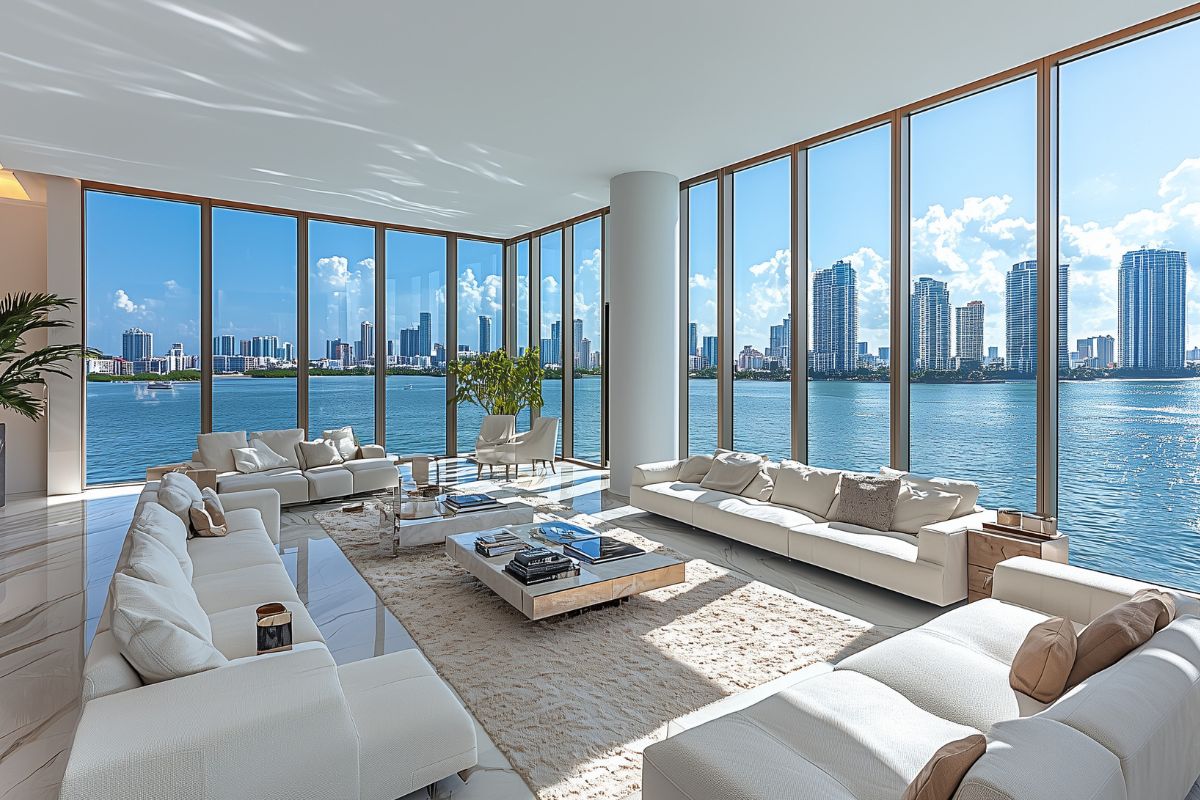
Intracoastal water levels, currents, and boat conditions change with tides and weather. Oceanfront conditions change faster and can impact everything from outdoor comfort to window maintenance. If you want a grounded understanding of tide patterns in your area, you can review NOAA tide data at tidesandcurrents.noaa.gov.
Quick warning signs
– A view that is technically waterfront but has limited usable outdoor space because of wind exposure or salt spray
– Intracoastal frontage with heavy boat traffic where wake and noise will be daily, not occasional
– Oceanfront units with frequent corrosion issues or a history of repeated exterior repairs
– Access friction that you will feel every day, like long walks to beach entry or slow routes to open water
Get realistic cost expectations before you commit
The view is not the only premium. The location can change your ownership costs through maintenance, insurance requirements, and building standards. Oceanfront often carries a heavier resilience expectation and faster exterior wear. Intracoastal can carry marine related costs if you have docks, lifts, seawalls, or waterway maintenance needs. Price the lifestyle honestly so the ownership experience stays enjoyable.
Smart ways to tighten your budget range
– Ask what the owner spends annually on exterior maintenance, windows, and outdoor areas
– For Intracoastal homes, confirm seawall condition and any dock or lift maintenance history
– Review storm protection, glazing, and building standards that affect long term upkeep
– Budget a contingency for coastal wear so upgrades stay proactive, not urgent
Use the right professionals and verify what matters

Luxury diligence is about reducing unknowns. For oceanfront, pay close attention to building envelope condition and how the home handles wind and moisture. For Intracoastal, get clarity on marine elements and any waterfront infrastructure. A strong local team can also tell you what buyers pay for in your specific pocket, because resale demand can favor one view over the other depending on the neighborhood story.
Match the view to the right lifestyle strategy
Some buyers want a daily vacation feeling and the ritual of sunrise walks. Others want boating access, calmer outdoor entertaining, and a dynamic waterway view. Neither is better. The better choice is the one you will actually use consistently, especially during peak season when South Florida is at its busiest.
Final checklist before you write an offer
– Confirm which daily experience you want most: beach rhythm or waterway rhythm
– Evaluate wind, sound, privacy, and outdoor livability at the time of day you will use it most
– Price long term maintenance realistically based on exposure and waterfront infrastructure
– Make sure access supports your lifestyle, whether that is boating, beach walks, or entertaining
Intracoastal and oceanfront can both deliver a remarkable lifestyle, but they ask different things from you as an owner. If you choose based on how you actually live, not just how the photos look, you will enjoy the view more and regret it less.